
Quick Summary
Bishop Michael Collins Brown has served in ministry for over 35 years. He has written three books. They cover presence, culture and belonging. So this post shows what each one offers. It also shows what no book can do.
Introduction
Have you ever stood in a hospital hall with nothing to say? Most of us have. So that is when many people look for a healthcare chaplain book. Bishop Brown writes for them. In fact, he has been a pastor and chaplain for over 35 years.
What a Healthcare Chaplain Book Can Give You That a Manual Can’t
A manual gives you steps. A story gives you company. That matters most when no steps exist. And in a hospital room, there are often none. So these books focus on presence, dignity and compassion. But do not expect a checklist. After all, a sick room does not follow one.
Think about the last hard talk you had. Did a rule help you? Or did you just need someone close?
Who Picks These Up
You do not need a medical badge to read them. For example, a nurse, a daughter, a church elder and a hospital manager could read one page. Each would take away something new. Still, that is normal. After all, people are not all the same. Maybe one of them is you.
Where the Writing Comes From
The Ghanaian pastor healthcare chaplain behind these books was born in Ghana. He felt a lifelong call to serve others. Later, that call led him to the UK. There, he paired spiritual guidance with hands-on chaplaincy, mentoring and community leadership.
The Role He Holds Today
Today, he is NHS and Military Chaplaincy Lead for the Apostolic Pastoral Congress UK. Of course, a job title cannot prove a book is good. Still, it tells you something. The stories rest on over 35 years of ministry. That is a long time to listen.
Three Books, Three Different Doors
Together, they offer hospital chaplain stories, cultural insight and a hard question about belonging. So pick by what you carry. Do not pick by title.
One Patient’s Final Journey
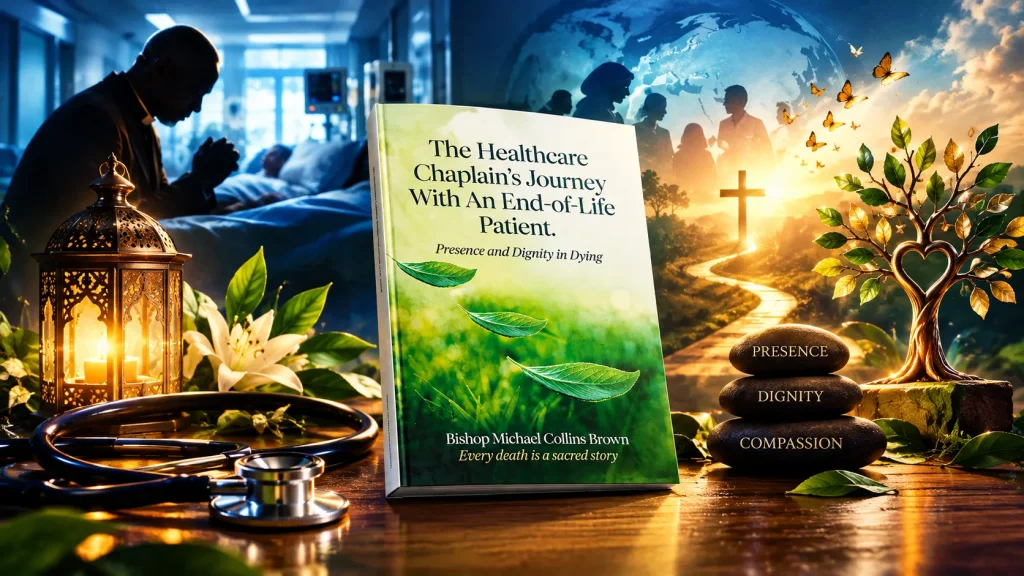
The Healthcare Chaplain’s Journey with an End-of-Life Patient is an intimate story of one person’s last days. It shows end-of-life care from a chaplain perspective. Also, it makes room for families and caregivers. So if you care for someone now, go slow. Some people read one chapter and then need a week.
Culture at the Bedside
Chaplaincy at the Crossroads of Culture and Care looks at healthcare for many cultures. Patients bring their own languages and beliefs to the same ward. And a chaplain meets all of them. So if you want Christian books on cultural care and ministries that start in a hospital, try this one. Still, only you can judge if it fits.
A Question About Belonging
Are You a Refugee or a Citizen of the Kingdom steps away from the ward. It is a Christian book on Kingdom of God identity. Here, readers move from fear toward confidence and purpose. Also, they find a sense of belonging. Notice that the title is a question. So do you read it as a challenge or an invitation? Different readers answer in different ways.
Spiritual Guidance During Terminal Illness Depends on the Person
Spiritual guidance during terminal illness changes from person to person. For one patient, that means prayer. For another, it means quiet company. Meanwhile, a family may want a ritual the ward cannot offer. So no book can tell you which one is yours.
What a Book Can Offer
Still, a book can show close care. That means noticing, listening and asking before you assume. Then you choose what to do next. After all, you know your own people best.
Reading Christian Chaplaincy Books With Honest Expectations
Christian chaplaincy books speak from Christian faith. That shapes the words they use. So if that is your faith, you may feel at home. If not, you may still find the human parts useful. But you will need to translate as you go.
Go at Your Own Pace
Stories can hit hard when a loss is fresh. So read slowly. Stop when you need to. There is no prize for finishing fast. Above all, treat a book as a friend. It cannot replace the chaplain or care team near you.
Beyond the Page: Speaking and Leadership
Also, Bishop Brown brings chaplaincy and healthcare ministry to live crowds. One talk is Faith and Spiritual Care in Healthcare. Another is Shared Understanding Through Culture and Faith. A third is Leadership with Compassion. The fourth is Hope, Purpose, and Kingdom of God Identity.
Choosing for Your Event
Planning a staff day or a leadership event? Then these topics may fit. For instance, a ward team may want to talk about listening. A church may want to talk about identity. Still, the best pick depends on who will be in the room.
Before You Pick One Up
A healthcare chaplain book will not settle every question grief raises. Also, some pages may sit badly with you. Others may come at the wrong time. So ask what you hope the book will do. And ask if a talk with a real person might do it better. Either way, be kind to yourself.
Questions Readers Ask
Can a healthcare chaplain book help when my family faces a diagnosis?
It can give you company. It can also give you words for what you feel. But it cannot give medical advice. And it cannot answer your family’s own questions. Still, the books focus on presence, dignity and compassion, so you may find them calming. If a chapter feels like too much, put it down. Then come back later.
Can reading replace talking with a hospital chaplain?
No. A book speaks to everyone and no one in particular. A chaplain, however, can speak to you about your own case. Many hospitals run a chaplaincy service. So it is worth asking how to reach it. Use the books with that help, not instead of it.
Which speaking topic suits a leadership team or a ward training day?
It depends on your goal. Leadership with Compassion covers ethical, service-based leadership. Meanwhile, Shared Understanding Through Culture and Faith covers diversity and cultural humility. Faith and Spiritual Care in Healthcare suits teams that want to talk about listening and trust. So send your audience and aim through the contact page. Then ask which fits best.
Why would a chaplain write about identity and belonging?
Only Bishop Brown can say for sure. But we do know his work spans chaplaincy, mentoring and community leadership. Also, the identity book speaks to readers who move from fear toward purpose. So decide for yourself if the two ideas link as you read.
What if the stories feel too heavy right now?
Then pause. Grief and illness make some pages hard, and there is no deadline. For example, try one short section. Or ask a friend to read with you. If heavy feelings stay, talk with a doctor, counsellor or faith leader you trust.